The Phillip Island Penguin Parade with Kids: Times, Seating and Whether It Works
The content could not be better for children. The clock is the problem, and it has three good solutions — here they are, month by month.
The short answer
Go in winter if you can: the crossing is over by six and you are home by half past eight. In summer it starts at a quarter to nine, so plan a nap, a short afternoon tour, or a night on the island. The tiered general-viewing stands usually suit children better than the quieter platforms.
Is it worth it with children? Yes — and it is a clock problem
Nothing about the content is wrong for children. The birds are small, comical and close to the ground, there are rangers to ask, and the whole thing happens in front of you rather than behind glass. Families in the review pool consistently rate it the highlight of a Melbourne trip.
The difficulty is arithmetic. The crossing follows the sunset, so in January it starts at a quarter to nine, and Melbourne is two hours away. That is the question to solve, and it has three good answers.
The timings, month by month
| Month | Crossing starts | Seated by | Home in Melbourne by | Verdict with young children |
|---|---|---|---|---|
| June–July | About 5:15–5:45pm | 4:15–4:45pm | About 8:30pm | The easiest of the year |
| August–September | 6:00–6:15pm | 5:00–5:15pm | About 9:15pm | Very manageable |
| October–November | 6:45–8:15pm | 5:45–7:15pm | 10–11:15pm | Later, but warmer |
| December–February | 8:30–8:45pm | 7:30–7:45pm | Around midnight | Only with a nap, or a night on the island |
Read across the row for your month before you book anything. Winter is the version of this evening built for families: out by a quarter past five, back for a normal bedtime, and far fewer people on the stands.
Useful tip. If you are locked into summer dates, book a room in Cowes for the night. Fifteen minutes from the reserve beats two hours on the highway with a sleeping child in the back.
Which viewing area works with children
The tiered general-viewing stands are usually the right answer. There is room to shuffle, standing up is not a problem, and the cheaper ticket stings less if somebody loses interest after twenty minutes. Penguins Plus shows you far more but is a smaller platform where everybody is settled and quiet.
Underground Viewing is the wild card: a window at sand level, out of the wind, with the birds passing at eye height. Children who will hold still love it. Children who will not should be on the stands. Every viewing area, compared has the detail.
What to bring
- More warm clothes than you think. Beanies and gloves from May to September, and a windproof layer in every month.
- Something to sit on. The stands are timber and cold.
- Snacks and a card. The cafe is busy before the crossing and the reserve is cashless.
- A torch for the car park — not for the beach, where lights are not allowed.
- No pram, on most tours. Several coaches exclude strollers and prams outright; the accessibility page says which.
The hour before is the part children enjoy most
You have to be there an hour early anyway, and it is the most child-friendly hour of the evening. The Visitor Centre displays are hands-on, the boardwalks run over the dunes where the burrows are, and wallabies are usually out on the slopes. Arrive early rather than on time and the wait stops being a wait.
Afterwards, do not leave the moment the crossing ends. The birds keep walking up under the boardwalks towards their burrows, often within a metre of you, and that is the part children talk about on the way home.
What children notice that adults miss
Ask a child afterwards what the best bit was and it is rarely the crossing itself. It is the boardwalk on the way out, where the birds walk underneath and beside you on their way to the burrows, calling as they go. It is the wallabies on the slope before dusk. It is the fact that the penguins are the size of a school bag.
That is useful to know when you are choosing a ticket, because none of those moments requires an upgraded seat. Every ticket includes the boardwalks and the hour before, and the two of them together are most of what a six-year-old takes home.
If the wildlife is the draw rather than the crossing, the daytime half of the island does that job better and in daylight — things to do near the parade sets out what is open, and the little penguins explains what your children are actually looking at when the birds come in.
Which tours get you back earliest
Day length varies more than price does. The afternoon-only coaches run eight to ten hours and are the shortest option from Melbourne. The full-day tours run twelve to fourteen, because they add a wildlife park in the morning. A private vehicle can leave when you like and drop you at your own door.
The wildlife park is genuinely worth having with children — feeding a kangaroo in daylight is a different kind of memory from watching birds in the dark — but it is what turns a long evening into a very long day. Phillip Island Penguin Parade Tours lists the hours against each fare.
Fares, ages and what you will pay
Child fares usually run from four to fifteen, and a few operators stop at twelve. One coach asks every traveller up to fifteen to buy a child ticket; one private day charges adult rates from four upwards. Everyone needs a ticket at the reserve, infants included, and infant seats are available on several coaches if you ask when you book.
Check the pram rule before you book. Several coaches state plainly that strollers, prams and large bags cannot come aboard. If you need one, the answer is a private vehicle or your own car rather than a surprise at the kerb.
Frequently asked questions
What age is the Penguin Parade good for?
Do children need their own ticket?
Can I bring a pram?
Is there anything to do while we wait?
Tours that suit a family evening
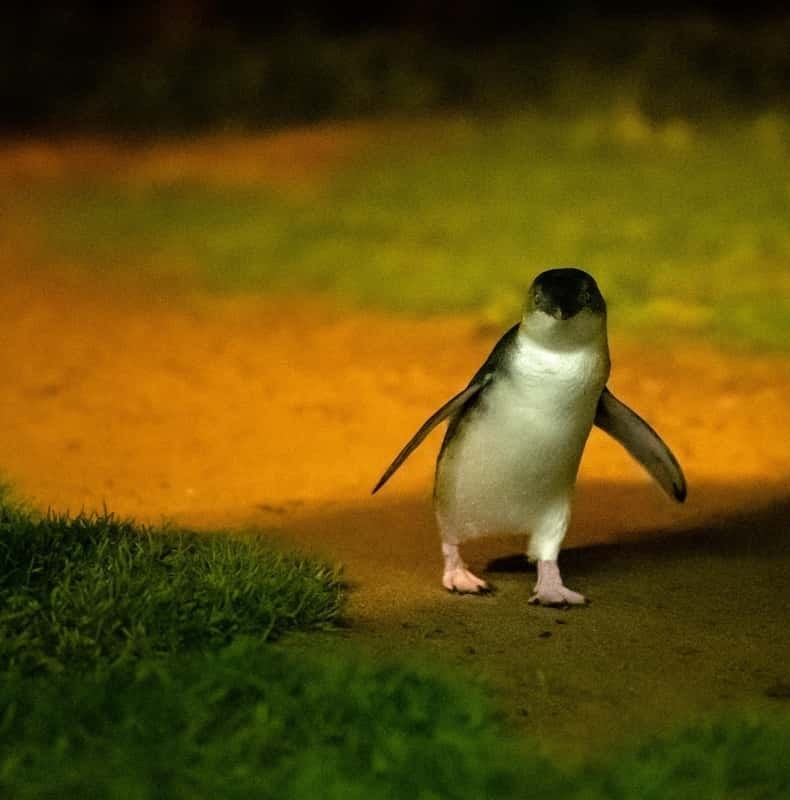
Phillip Island: Penguins and Wildlife Full-Day Tour
Hotel pickup, the koala reserve in daylight and the crossing at the end, with commentary in eleven languages.
From $113 per person
Check Availability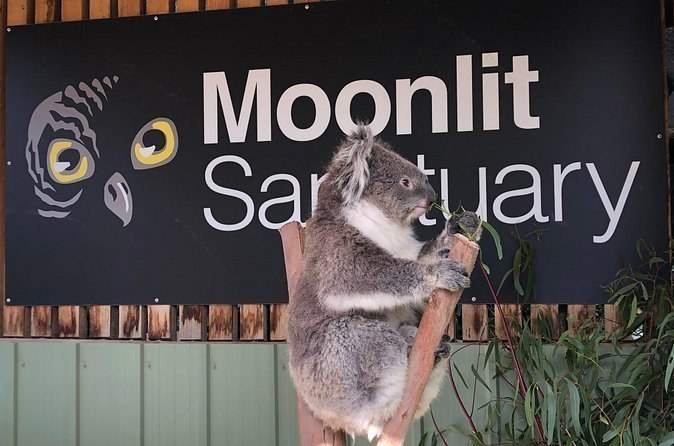
Small-Group Phillip Island Afternoon Day Trip from Melbourne
An afternoon rather than a full day, capped at eleven travellers, with hotel pickup and drop-off.
From $179 per person
Check Availability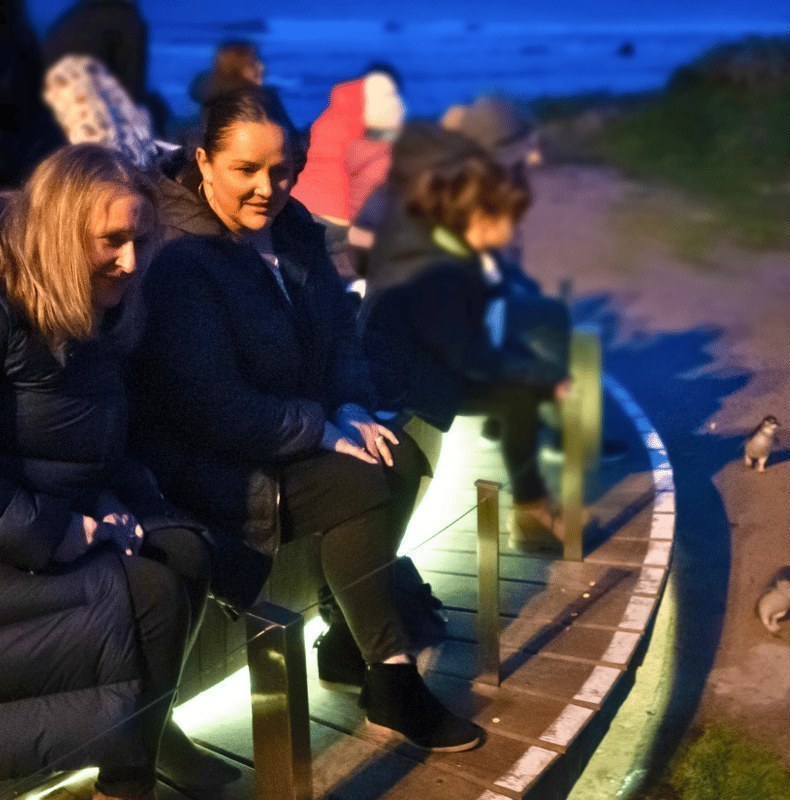
From Melbourne: Penguin Parade Afternoon Tour
The shortest run from the city: The Nobbies, the crossing, and back, without a wildlife park in the middle.
From $97 per person
Check AvailabilityIf you are weighing the drive against something closer to town, the St Kilda colony comparison is the next thing to read.