How to Visit the Phillip Island Penguin Parade in 2026: Times, Viewing Areas and Tours
Everything you need to be on Summerland Beach when the little penguins come in: the times, the tickets, the transport problem, and what to wear when you get there.
The short answer
The parade starts at dusk, which runs from about 5:15pm in June to about 8:45pm in January, and you should be seated an hour earlier. Admission starts at A$34 for general viewing. There is no public transport to the reserve and no coach back to Melbourne afterwards, so you need a car or a tour.
Three things visitors consistently get wrong
Before anything else, the three facts that change plans. The Visitor Centre opens at 12pm and not before, so there is no morning at the reserve. The crossing has no fixed time and moves by three and a half hours across the year. And there is no bus: the V/Line coach reaches Cowes and stops there, and nothing runs back to Melbourne once the parade is over.
Get those three right and the rest of the evening plans itself.
What time to go, month by month
Little penguins wait for dusk before they cross, so the parade follows the sunset. Phillip Island Nature Parks publishes the month-by-month times and asks you to be on site an hour before them.
| Month | Penguins ashore at about | Be seated by | Back in Melbourne by roughly |
|---|---|---|---|
| June | 5:15pm | 4:15pm | 8:30pm |
| September | 6:15pm | 5:15pm | 9:30pm |
| December | 8:30pm | 7:30pm | 11:45pm |
| January | 8:45pm | 7:45pm | midnight |
The last column is the one that decides a family's evening. A June date has you home for a late dinner; a January date has you on a dark highway at eleven. Full figures for every month are on the arrival-times page.
Useful tip. If the finish time worries you, book winter. It is the cheapest, quietest and easiest version of this evening, and the birds come ashore exactly as they do in January.
Which ticket you actually need
The reserve sells tiered viewing and most people book without noticing. General Viewing, at A$34 an adult, is the big set of tiered stands above the beach. Penguins Plus, at A$93, is a smaller elevated platform much closer to the crossing. Underground Viewing, at A$103, is a window at the level of the sand. A guided tour with a ranger is A$108.
If you are booking a coach day from Melbourne, the fare already includes admission — almost always general viewing. The full price list and what each tier puts in front of you is set out on the visitor information page, and the four ways to buy the evening are compared on the tour options page.
Getting there when no bus does
From Melbourne the drive is 90 to 120 minutes to the bridge at San Remo, plus a further 20 minutes across the island to the reserve. Parking is free at the Visitor Centre. Full routes, including the ferry and what the coach can and cannot do, are on getting there.
If you are not driving, a tour is the route rather than the luxury. If you are, the ticket on its own is all you need and it costs a fraction of a coach seat.
What to wear, and what to bring
- Layers and a windproof outer. You are sitting still on an open southern beach after dark, in every month of the year.
- A hood, not an umbrella. The parade runs in the rain, and an umbrella in a tiered stand blocks everybody behind you.
- Binoculars. From the general stands the birds gather offshore before they cross.
- A card, not cash. The reserve is cashless throughout.
- Closed shoes. Boardwalks, sand and wind.
What happens on the night
Arrive an hour early and use it. The Visitor Centre has the displays and the cafe, and the boardwalks outside run over the dunes where the burrows are. Wallabies are often out on the slopes at that hour.
Take your seat before the published time rather than after it. The birds come out of the surf in groups, wait, then cross together. When the crossing is over, stay: they carry on up under the boardwalks towards their burrows, and a great many travellers describe that as the best part of the evening.
No photography after sunset. Phones included. A sudden flash frightens and disorientates a bird whose eyes are built for a dark beach. Take your pictures in daylight on the headlands instead, and see the gallery for what that looks like.
Making a day of it
The crossing is two hours of a day that can easily run twelve, and the island rewards the daylight. The Koala Conservation Reserve takes its last entry at 4.30pm and Churchill Island at 4pm, so in winter you need to start early to fit either. Things to do near the parade sets out what is open when.
Most coach days solve this by building the afternoon for you: a wildlife park, a stop at The Nobbies, an hour in Cowes to eat. That is what the fare is really buying.
How many penguins you will actually see
This is the question nobody answers honestly, so here it is. The colony on the Summerland Peninsula is estimated at around 40,000 birds. How many of those cross on your night depends on where the colony is in its year, and it varies a great deal.
Through the breeding season, roughly August to February, both parents run food back to chicks, so the beach is busy in both directions. During the moult, from about February into March, each adult replaces every feather it owns and cannot fish while it does, so they stay ashore and the crossing thins out. Winter brings non-breeding birds in smaller, less predictable numbers.
Some travellers count hundreds. A few count ten, say so in their reviews, and they are not wrong — they were there on a quiet night. Booking a closer viewing area is the only thing within your control that changes a thin night into a good one.
Where to stay if you do not want the drive home
The two-hour return in the dark is the part of this evening people regret, and it is entirely avoidable. Cowes is fifteen minutes from the reserve and has most of the island's accommodation and its choice of food. San Remo, just before the bridge, is quieter and puts you twenty-five minutes away.
Staying over changes the shape of the trip completely: you get the koalas, Churchill Island and Cape Woolamai at a civilised pace the next morning instead of racing a closing time, and the crossing stops being the end of a very long day. It also unlocks the one tour that picks up on the island itself rather than in Melbourne.
Booking, and what it costs
Bookings are essential — every viewing area is capped and everyone needs a ticket, infants included. Summer dates and the fortnight after Christmas go first, often a month out; winter is usually fine a few days ahead.
Phillip Island penguin tours start at $24 for the reserve's own ticket and run up through coach days, small-group minibuses and private cars. Every fare on Phillip Island Penguin Parade Tours says what it covers at the gate, which is the comparison that matters.
Frequently asked questions
Do I need to book in advance?
How long should I allow at the reserve?
Is it worth upgrading the ticket?
Can children come?
Tours that make this evening easy
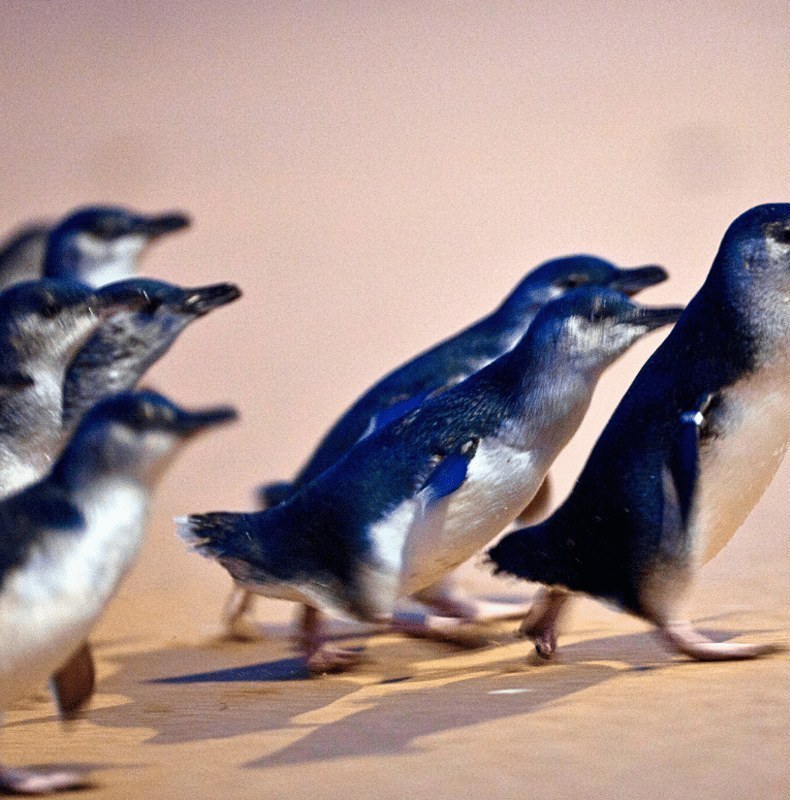
From Melbourne: Phillip Island Penguin Parade Eco Tour
Hotel pickup, a wildlife park in daylight and standard viewing at the crossing, with the drive home in the fare.
From $111 per person
Check Availability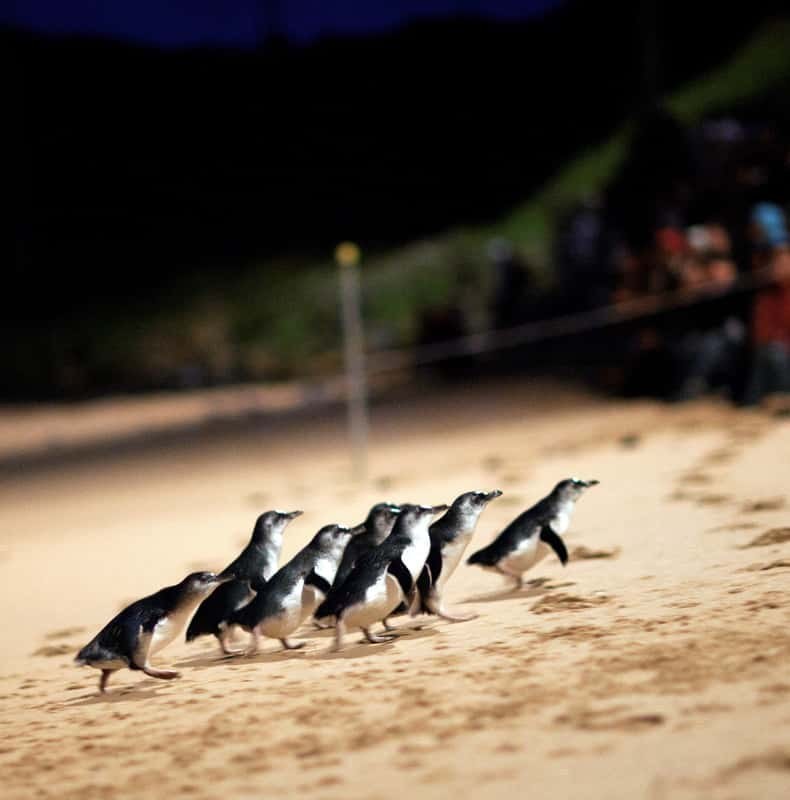
Phillip Island Penguin Parade: General Viewing Ticket
Admission on its own, sold by the reserve, for anyone with a car or a bed on the island.
From $24 per person
Check AvailabilityThe next thing to settle is which viewing area you want, and what you actually see from each one answers that in detail.