Breeding, Moult and Winter at the Phillip Island Penguin Parade: What the Birds Are Doing When You Visit
How many penguins you see is decided by the breeding calendar rather than the weather. Here is what the colony is doing in every month of the year, and what it means for the night you book.
Why the beach is busier in some months than others
Visitors assume the weather decides how many penguins cross. It does not. The colony runs on a breeding calendar, and how many birds come ashore on a given night depends on where in that calendar you happen to be standing.
The logic is simple once you see it. A bird with a chick in a burrow has to come home with food, often several times a week, and so does its partner. A bird with no chick has no reason to come ashore at all, and a bird in moult physically cannot fish. That is the whole pattern.
| Period | What the colony is doing | Numbers on the beach | Crossing time |
|---|---|---|---|
| August–September | Burrow repair, pairing, first eggs | Climbing | 6:00–6:15pm |
| October–November | Incubation, then the first chicks | High, both parents crossing | 6:45–8:15pm |
| December–January | Chick feeding at its peak | Highest of the year | 8:30–8:45pm |
| February | Last chicks fledge; adults fatten for the moult | Falling | 8:30pm |
| March | The moult — birds ashore, not fishing | Thinnest of the year | 8:00pm |
| April–July | Winter visits by non-breeding adults | Low and variable | 5:15–7:00pm |
What happens in the breeding season?
Breeding runs roughly August to February. Adults return to burrows on the Summerland Peninsula, repair them, pair up and lay. Eggs hatch after about 35 days, and the parents take turns staying with the chicks until they are three or four weeks old.
From that point both parents fish, which doubles the traffic on the beach. Chicks leave the burrow at around eight weeks. If you want the fullest crossing of the year, that stretch from late spring into January is the window, and it happens to be the stretch with the latest arrival times.
What is the moult, and why does it empty the beach?
Once breeding ends, each adult replaces every feather it owns. A half-changed coat is not waterproof, so the bird cannot fish while it happens. They fatten up beforehand, come ashore, and sit the change out in the dunes for a couple of weeks.
The result on the beach is a thin crossing, usually around February into March. It looks like a bad night and it is not: the birds are already ashore, doing the most vulnerable thing they do all year. It is the one period where a closer viewing area earns its money most clearly.
Did you know? A moulting little penguin can lose close to half its body weight before its new feathers are waterproof enough to let it fish again.
Are there penguins in winter?
Yes, every night of the year, but in smaller and less predictable numbers. Through autumn and winter the birds crossing are largely non-breeding adults with no burrow to get back to, so they come and go rather than commuting.
Winter has compensations that nobody advertises. The crossing is over by six, the stands are far emptier, and the whole evening fits into a normal day. For a family or anyone who dislikes crowds, a June visit is the easiest version of this that exists.
When do the chicks appear?
From about October, hatching after 35 days on the egg. For the first three or four weeks a parent stays with them, then both adults fish and the chicks wait in the burrow. At around eight weeks they leave it.
You will not see chicks on the beach — they stay in the burrows until they are ready to go to sea — but you will hear them, and you will see the adults hurrying inland with food. The boardwalks over the dunes are where that becomes obvious.
Which month has the most penguins?
December and January, when chick feeding is at its peak, with November close behind. That is also when the crossing is latest, the island is busiest and the tours are most expensive, so the best month for numbers is the worst month for everything else.
November is the compromise most people should take: high traffic on the beach, a crossing that starts at a quarter past eight rather than a quarter to nine, and school holidays not yet under way.
What does daylight saving do to the evening?
It moves it by a full hour, twice a year, and it catches people out. Daylight saving starts on the first Sunday in October and ends on the first Sunday in April. An October date two weeks either side of that Sunday is a different evening: 6:45pm before it, 7:45pm after.
April does the same thing in reverse, dropping the crossing from about 7:00pm to about 6:00pm overnight. Check which side of the changeover your date falls on before you book a tour around it. The arrival-times page lists both.
Does the weather change anything?
Not whether the parade happens. The birds come ashore in everything, every night of the year, and the reserve runs regardless. What weather changes is your evening: an hour sitting still on an open southern beach in wind off Bass Strait is colder than any forecast suggests.
Rain is the same story. Bring a hood rather than an umbrella, because an umbrella in a tiered stand blocks the row behind you. Winter maximums on the island sit around fourteen degrees, and the wind does the rest.
How does the colony's year affect which tour to book?
Two ways. In the busy breeding months the crossing is late, so a full-day tour becomes a fourteen-hour day and an afternoon tour may suit better. In the quiet months the crossing is early, which makes even a long day comfortable and makes the upgraded viewing area more worth having.
Phillip Island Nature Park tours run through all of it, and Phillip Island Penguin Parade Tours lists the hours against each fare so you can match one to the month you have.
How do the arrival times move through the year?
By three and a half hours, which is more than most people expect and enough to change what kind of trip this is. June is the earliest at about 5:15pm, and January the latest at about 8:45pm. The reserve asks you to be seated an hour before either.
The curve is not symmetrical, because daylight saving interrupts it. Between May and August the crossing sits between a quarter past five and six, and the whole evening fits inside a normal day. From October it jumps, and by December and January it starts after dark has properly fallen.
That is why the month decides the tour rather than the other way round. A fourteen-hour combination day in January finishes near midnight; the same product in June has you back before nine.
Does the tide or the moon change anything?
Not in any way you can plan around, which is worth saying because people ask. The birds come ashore in relation to the light rather than the water, and the reserve publishes an arrival time by month rather than by tide table.
A very bright moon is sometimes said to make the birds cautious, and rangers will talk about it on the night, but nothing about it is predictable enough to book around. The variables you can actually control are the month, the viewing area and how early you are in your seat.
Which month should you avoid?
None outright, but two are worth knowing about. February into March is the moult, when the beach is at its thinnest, and a visitor expecting a wall of birds will be disappointed by what is actually the colony's most demanding few weeks.
The fortnight after Christmas is the other. Numbers on the sand are excellent and numbers in the stands are too: it is the busiest stretch of the island's year, the upgraded viewing areas sell out well in advance, and the roads and the car park both feel it.
If those are your only dates, book early and book the closer viewing area. If you have a choice, November and early December give you nearly the same colony with fewer people around you.
What you are actually watching
It is worth holding on to while you wait on a cold stand. The colony on the Summerland Peninsula went from about 12,000 birds in the mid-1980s to an estimated 40,000 today, because the Victorian Government bought back all 774 allotments of a housing estate between 1985 and June 2010 and gave the burrows the ground back.
Every bird crossing in front of you is nesting in what used to be somebody's garden. The little penguins sets out the species and the recovery in full.
Frequently asked questions
What month is best to see the penguins?
Are there fewer penguins in winter?
What is the moult?
Do the penguins come ashore every night?
Will I see baby penguins?
Tours that suit the month you have
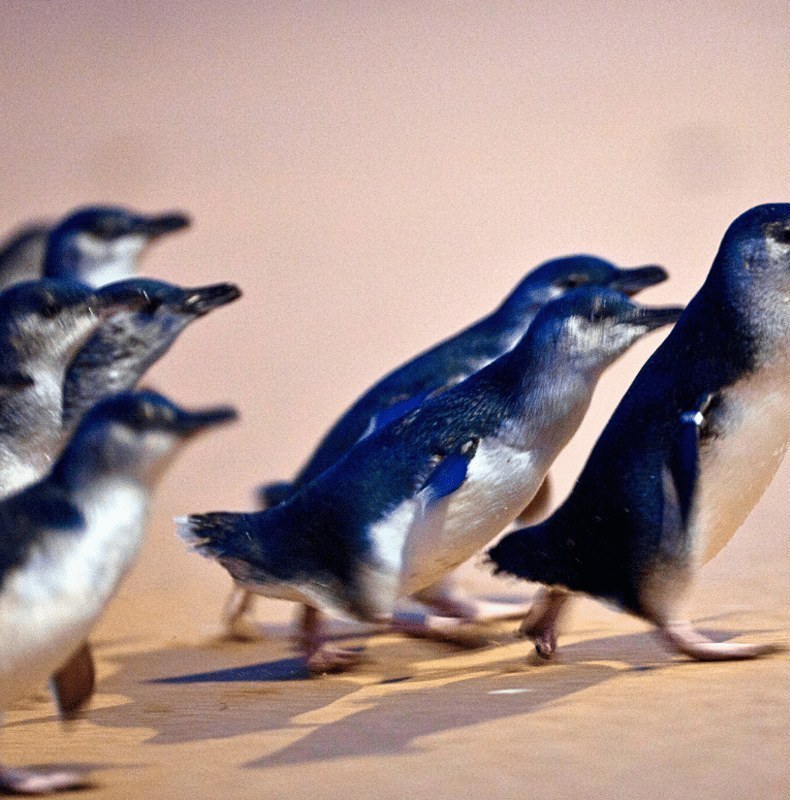
From Melbourne: Phillip Island Penguin Parade Eco Tour
A full day with a wildlife park, which fits the long daylight of the breeding season.
From $111 per person
Check Availability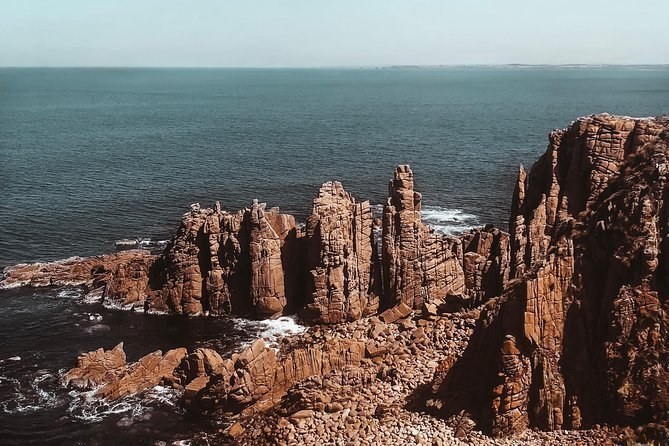
Small Group Phillip Island Penguins & Hiking Tour (4–11 guests)
A guided circuit walk on Cape Woolamai and the koala reserve, best in the cooler months.
From $203 per person
Check Availability
Phillip Island Penguin Parade & Wildlife Tour from Melbourne
Moonlit Sanctuary, The Nobbies and the crossing, with Melbourne pickup and drop-off included.
From $123 per person
Check AvailabilityOnce the month is settled, the seat is the last decision: choosing a tour puts the formats side by side.